

Microplastics: A Functional Medicine Approach
- Charis Au
- Nov 4, 2025
- 6 min read

If you're looking to improve your health or the health of your family, you're likely already thinking about the quality of food you serve your family, the air you breathe, and the water you drink. But there's an invisible intruder that's increasingly concerning functional medicine practitioners like myself: microplastics.
Recent studies have found microplastics in human blood, lungs, and even placental tissue. As a functional medicine practitioner, I work with many women and mothers who are discovering that unexplained symptoms, hormonal imbalances, and children's health issues may be connected to environmental toxins, including these tiny plastic particles.
The good news? Understanding how microplastics affect your body and taking targeted action can make a real difference. Let me share what you need to know and, more importantly, what you can do about it.
What Are Microplastics and Why Should You Care?
Microplastics are tiny plastic particles less than 5mm in size that come from the breakdown of larger plastic products, synthetic clothing fibers, and even the plastic packaging we use daily. In Singapore's humid, tropical climate, plastic degradation happens even faster, meaning we're exposed more than we might realize.
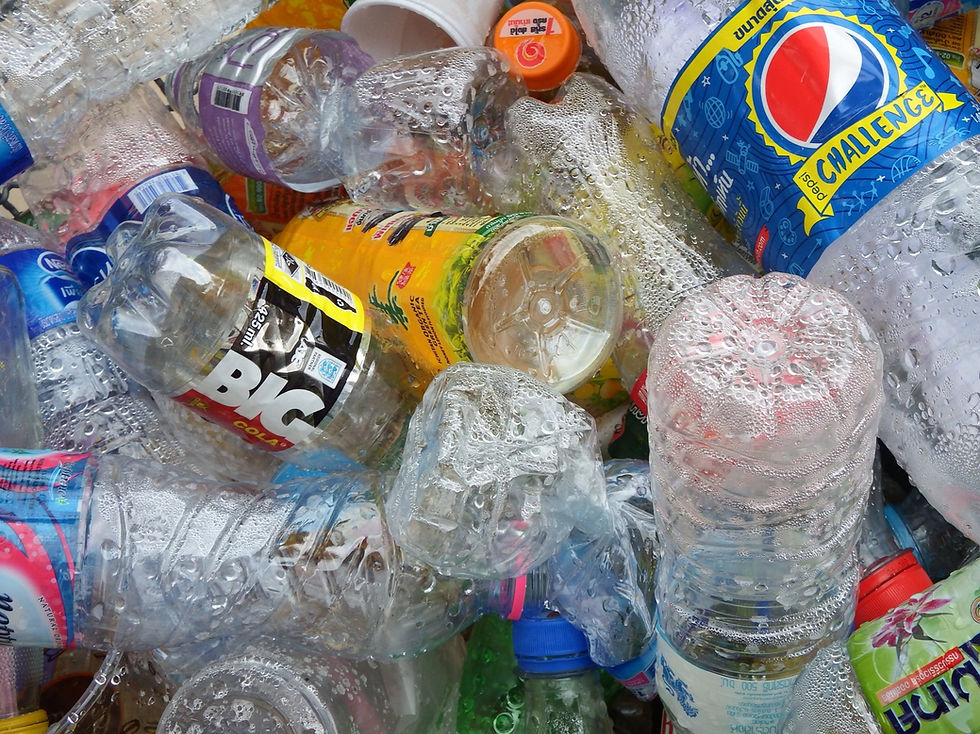
Here's what concerns me as a functional medicine practitioner: these particles aren't just inert materials passing through our bodies. Research shows they can:
Disrupt hormone function (acting as endocrine disruptors)
Trigger inflammation and immune responses
Carry toxic chemicals like phthalates and BPA into our tissues
Accumulate in organs over time
Cross the placental barrier, potentially affecting fetal development
For the women I work with, this last point is particularly concerning. We want to protect our children, but we're often unaware of how these exposures happen in everyday life.
How Microplastics Enter Your Body
In Singapore, the most common exposure routes include:
Drinking water: Even filtered water can contain microplastics, especially if stored in plastic bottles or passing through plastic pipes.
Food and beverages: Plastic packaging, takeaway containers, and the thermal receipts from your grocery shopping all contribute. Studies show that frequent consumption of food from plastic containers significantly increases microplastic exposure.
Indoor air: Synthetic fabrics in our furniture, carpets, and clothing shed microfibers that we breathe in daily. Singapore's air-conditioned indoor environments can actually concentrate these particles.
Personal care products: Many cosmetics and toiletries contain microbeads or are packaged in plastic that breaks down over time.
Children's products: From plastic toys to sippy cups and cutlery, our little ones have particularly high exposure, which is concerning given their developing systems.

The Functional Medicine Perspective: Your Body's Detox Capacity
In functional medicine, we don't just focus on reducing exposure to toxins. We also work to optimize your body's natural detoxification systems so you can better process and eliminate these substances.
Your body has remarkable built-in detox pathways, primarily through your liver, kidneys, gut, and skin. However, when we're exposed to multiple toxins simultaneously (what we call "toxic burden"), these systems can become overwhelmed. This is especially true for women, whose hormonal cycles and life stages (pregnancy, breastfeeding, perimenopause) add additional complexity.
Many of the mothers I work with come to me with symptoms like:
Persistent fatigue despite adequate sleep
Hormonal imbalances (irregular cycles, PMS, thyroid issues)
Difficulty losing weight after pregnancy
Brain fog and concentration problems
Skin issues and premature aging
Unexplained inflammation or autoimmune symptoms
While microplastics aren't the only factor, they're increasingly recognized as contributors to these modern health challenges.
Your Practical Action Plan: Reduce Exposure and Support Detoxification
The goal isn't perfection or living in fear. It's about making strategic changes that significantly reduce your exposure while supporting your body's natural resilience. Here's what I recommend to my clients:
Step 1: Reduce Exposure (Start Here)
In Your Kitchen:
Replace plastic food and drink containers with glass or stainless steel
Avoid heating food in plastic containers or covered with plastic wrap (those hawker centers' takeaway containers? Transfer food to glass, ceramic, or stainless steel when you get home. Better option: bring your own takeaway container.)
Don't be fooled by those paper food or drink containers - they are also plastic lined (usually with polyethylene) to make them waterproof. Again, bring your own
Choose fresh, whole foods from wet markets when possible rather than pre-packaged options
Filter your water and store it in glass or ceramic bottles
Opt for loose-leaf tea instead of tea bags (many contain plastic)
For Your Family:
Choose natural fiber clothing (cotton, linen) when possible, especially for children
Select wooden, metal, or natural rubber toys over plastic ones
Use silicone or stainless steel sippy cups, cutlery, and bottles
Replace plastic cutting boards with wooden ones
Personal Care:
Read ingredient labels and avoid products with polyethylene or polypropylene
Choose mineral-based makeup in glass containers
Switch to natural fiber cleaning cloths instead of microfiber
Around Your Home:
Vacuum regularly with a HEPA filter to remove plastic particles from air
Open windows when weather permits to improve air circulation
Install an air purifier and change the filter regularly
Choose natural fiber furnishings and carpets when replacing items
Step 2: Support Your Body's Detoxification
This is where functional medicine really shines. Here are key strategies:
Optimize Your Gut Health: Your gut is a primary detoxification organ. A healthy microbiome helps process and eliminate toxins before they're absorbed.
Focus on:
Fiber-rich foods (vegetables, fruits, whole grains, legumes)
Fermented foods common in Singapore like kimchi, miso, achar, and tempeh
Moving your bowels daily
Adequate hydration
Avoiding foods that disrupt your gut (processed foods, excess sugar)
Support Liver Function: Your liver is your body's main detox powerhouse.
Support it with:
Cruciferous vegetables (broccoli, bok choy, kailan)
Sulfur-rich foods (garlic, onions, eggs)
Antioxidant-rich foods (berries, green tea, turmeric)
Adequate protein, minerals and vitamins for Phase 2 detoxification
Enhance Cellular Detoxification:
Stay well-hydrated (adjust for Singapore's climate)
Sweat regularly (exercise, sauna when appropriate)
Get quality sleep (when cellular repair happens)
Manage stress (chronic stress impairs detoxification)
Strategic Supplementation: While food should be your foundation, targeted supplements can support detox pathways. These might include:
Activated charcoal or chlorella (binders that help eliminate toxins)
N-acetylcysteine (supports glutathione production)
Milk thistle (liver support)
Omega-3 fatty acids (reduce inflammation)
Always work with a qualified practitioner before starting any supplementation protocol, as individual needs vary. Pregnant and/or breastfeeding women should not start on any detoxification protocol unless approved by a medical practitioner.
The Singapore Context: Unique Considerations
Living in Singapore presents both challenges and opportunities when it comes to reducing microplastic exposure:
Challenges:
High reliance on takeaway food culture and food delivery
Abundant plastic use in hawker centers, food courts, and supermarkets
Hot, humid climate accelerates plastic degradation
High population density means more shared indoor air

Opportunities:
Excellent access to fresh produce at wet markets
Growing awareness and availability of sustainable options
Strong healthcare system for monitoring health markers
Community support for eco-conscious living
Many of my clients find that bringing their own containers to hawker centers, or reducing the number of takeaway meals and beverages makes a significant difference over time.
When to Seek Professional Support
While these lifestyle changes can make a substantial impact, some situations benefit from personalized functional medicine support:
You're experiencing persistent unexplained symptoms
You're planning for pregnancy, currently pregnant or breastfeeding
You have hormonal imbalances or fertility concerns
You have autoimmune conditions or chronic inflammation
You want to proactively optimize your family's health
You're overwhelmed and need a structured, personalized plan
In my functional medicine coaching program, I work with women and mothers to:
Assess individual toxic burden through specialized testing
Create personalized detoxification protocols
Optimize nutrition and lifestyle for your unique needs
Support your body through different life stages
Address root causes of symptoms, not just manage them
Provide ongoing guidance and accountability
Moving Forward with Confidence
The reality of microplastics in our environment can feel overwhelming, but I want you to feel empowered rather than anxious. Small, consistent changes compound over time. The steps you take today to reduce your family's exposure and support your body's natural detoxification capacity will have lasting benefits.
Remember, you're not alone in this journey. Many men and women in Singapore are making these same shifts, and there's growing awareness about environmental health. By taking action now, you're not only protecting your own health but also setting an example for your children and contributing to a larger movement toward healthier living.

Your body is remarkably resilient when given the right support. With knowledge, practical strategies, and personalized guidance when needed, you can navigate this challenge successfully.
Are you ready to take a deeper dive into optimizing your health and your family's wellbeing? I'd love to support you through personalized functional medicine coaching. Book a complimentary discovery call to learn how we can work together to address your unique health concerns and create a sustainable path to vitality.
Connect with me: Book Online
References:
Leslie, H. A., et al. (2022). Discovery and quantification of plastic particle pollution in human blood. Environment International.
Ragusa, A., et al. (2021). Plasticenta: First evidence of microplastics in human placenta. Environment International.
Jenner, L. C., et al. (2022). Detection of microplastics in human lung tissue using μFTIR spectroscopy. Science of The Total Environment.


Comments